Founding partner · anthropologist and agroecologist
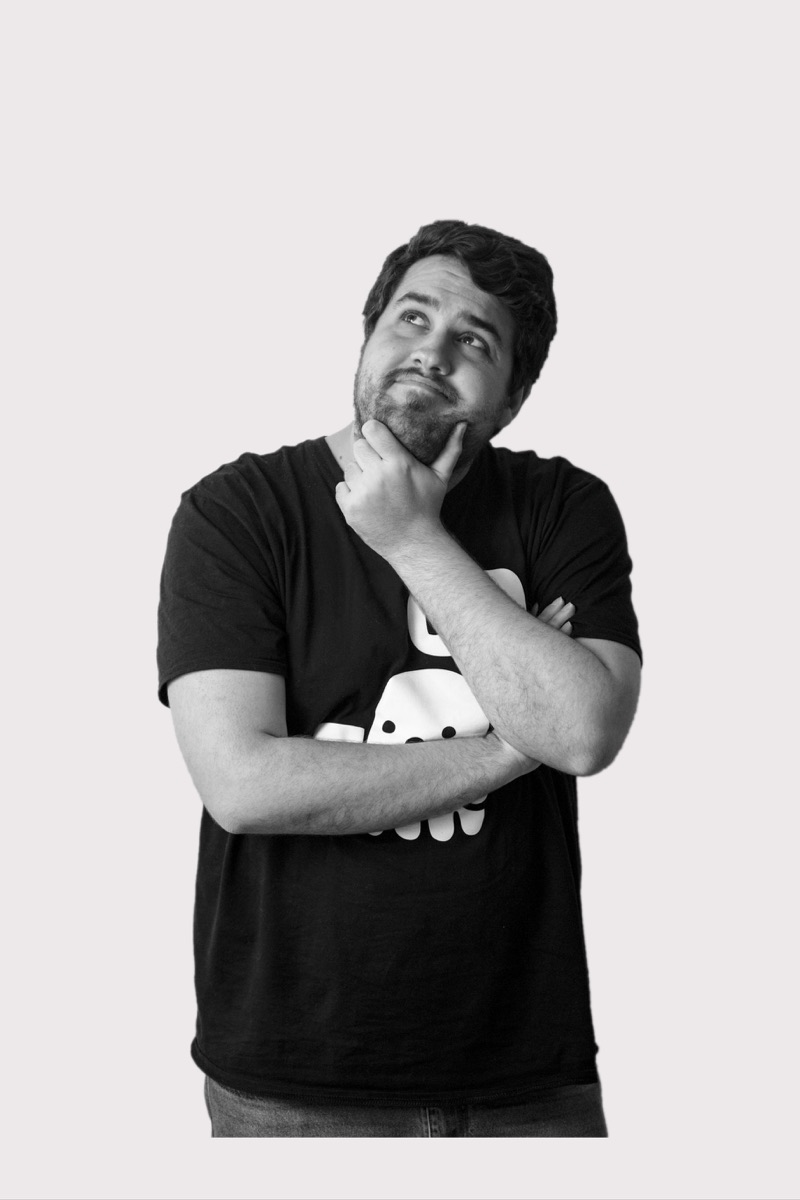
Ramón Rodríguez Franco
“Listening is a technique, not good intentions.”
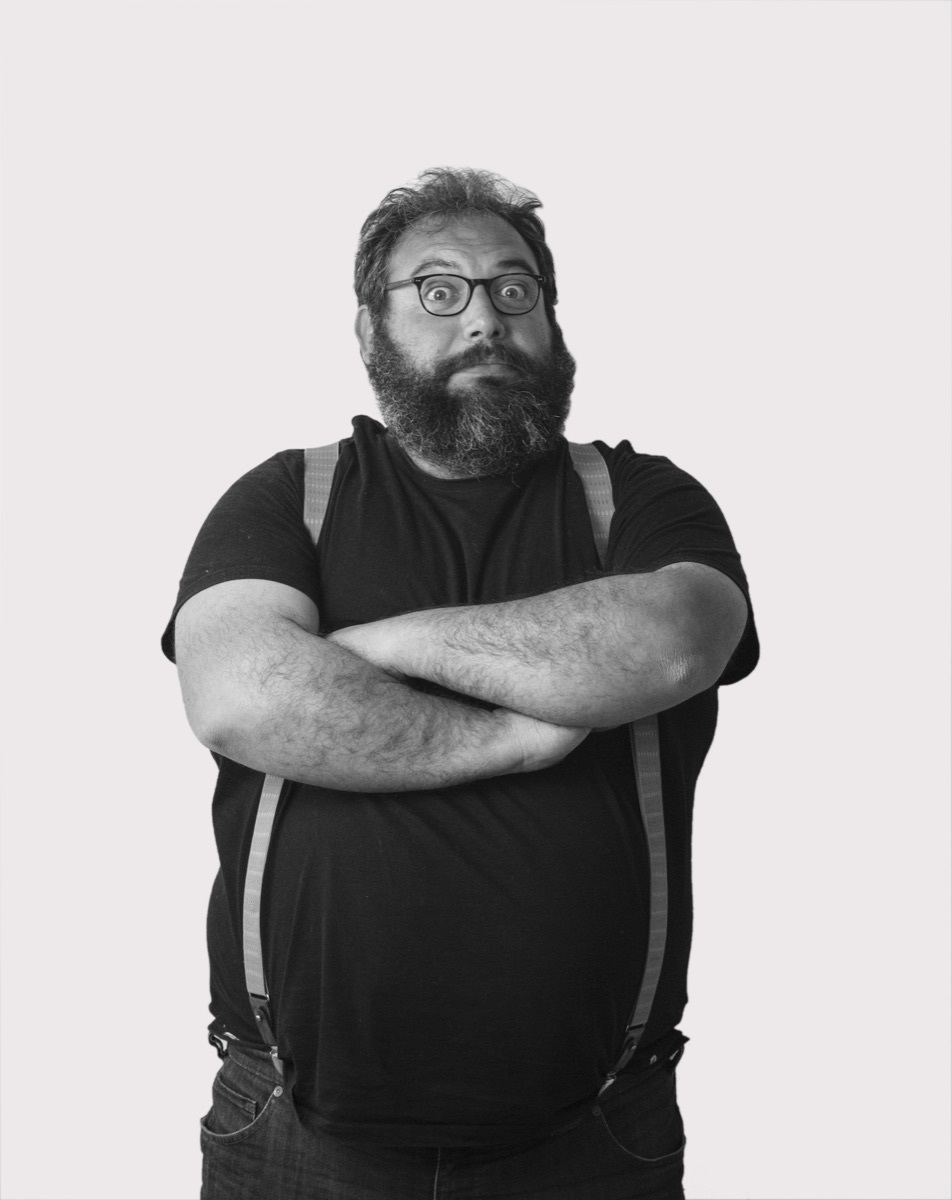
A social anthropologist from the University of Seville, with a master's in Agroecology and a PhD in progress on sustainable rural development. He researches at the University of Seville's GICED group and founded Ethnoap, the tool the team uses to build its digital surveys. At Cactus he has worked on public-policy evaluation, mining, landscape, energy infrastructure and tourism, from the Strategic Plan of Melilla to the European projects M-BAT, METALLICO, FIC Fighters and VECTOR.
An anthropologist and an agroecologist. Why both?
I don't know how to separate them, and it's not for show. Anthropology taught me to listen to people; agroecology, not to separate people from the place where they live. When you study a rural territory, the landscape, the crop and the conversation in the square are the same problem. I came to Cactus wanting to bring the two ways of looking together.
What's an anthropologist doing on a European mining project?
More than it seems. In METALLICO or M-BAT the technology is handled by engineers who know a great deal. What isn't settled is whether the people of the territory will want a mine next to their homes, and why. You don't answer that with a brochure. You answer it by going there, asking, and above all by staying quiet at the right moment so the other person can speak. My job is to bring that voice to a table where it usually isn't.
You use artificial intelligence. Doesn't that clash with such hands-on fieldwork?
It clashes if you use it to avoid listening. We use it to listen better. When you have four hundred pages of focus-group transcripts, AI helps you read the whole corpus without losing the nuance, to find what recurs and what goes unsaid. The analysis is still human. The machine doesn't decide the finding; it frees up time to think it through. In fact I teach this in several master's and doctoral programmes, and I always end up in the same place: AI widens the ear, it doesn't replace it.
The Cactus message is “the world changes when we listen.” Isn't that a bit grand?
It's exactly the size it needs to be. It describes how we work. Most of the conflicts we study come from someone deciding without listening. A mine, a birth-rate plan, a tourism strategy: when the people affected don't appear in the design, the plan fails. Listening is a technique, with its methods and its rigour, not a gesture of kindness. That's why we mean it.
And Ethnoap? Why build your own tool?
Because the ones out there forced us to ask the way they wanted, not the way the project needed. We wanted our own platform to design surveys our way, integrated with the qualitative work. Ethnoap was born of that stubbornness. Today it's where the team builds much of its digital fieldwork.
You've been going since 2015. What are you proudest of?
The team. Cactus started as barely an idea and today we're seven people who genuinely complement each other: anthropology, sociology, geography, design, audiovisual, editing. What I like most is that each project is looked at from several angles at once. You can't really listen to a territory on your own. It takes more than one ear.
One last, quick one: what would you do if tomorrow you couldn't do this for a living?
I'd go back to the land, literally. To the vegetable garden. But I'd end up asking questions of whoever walked by. I don't know how to stay completely quiet.
Ramón Rodríguez Franco is a founding partner of Cactus, a social anthropologist and agroecologist, and a researcher in the GICED group at the University of Seville.